I painted these landscapes, which because of their surreal quality, read as Outer Space landscapes – a landscape on Mars or Venus or Exoplanet Kepler-186f or Vulcan or Caprica.
All landscapes can be purchased as giclee prints, in series of 25 , unframed, signed, with the following prices,
18 in x 24 in, = $ 1550.00
27 in x 36 in, = $ 2200.00
36 in x 48 in, = $ 3800.00
45 in x 60 in, = $ 6200.00
54 in x 72 in, = $ 8800.00
63 in x 84 in, = $ 12000.00
72 in x 96 in = $ 18000.00

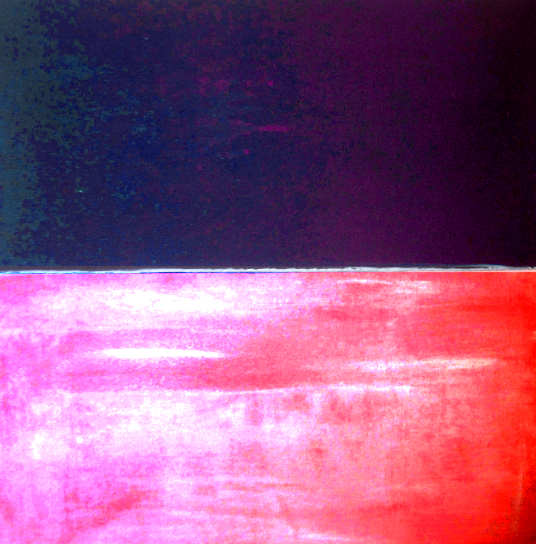
Exoplanet Kepler-186f , acrylic and gouache on paper, 9 in x 12 in, 2023 ( photographed + photoshop + reprinted giclee on paper, 18 in x 24 in, 27 in x 36 in, 36 in x 48 in, 45 in x 60 in, 54 in x 72 in, 63 in x 84 in, 72 in x 96 in , 2027)

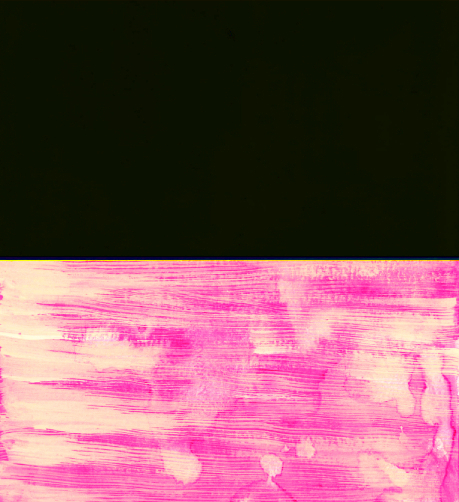
Gliese 667Cc , acrylic and gouache on paper, 9 in x 12 in, 2023 ( photographed + photoshop + reprinted giclee on paper, 18 in x 24 in, 27 in x 36 in, 36 in x 48 in, 45 in x 60 in, 54 in x 72 in, 63 in x 84 in, 72 in x 96 in , 2027)
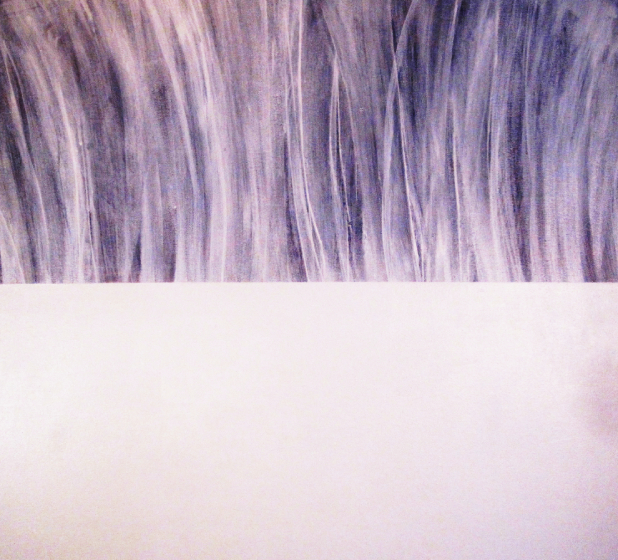
Exoplanet Nu2 Canis Majoris b, acrylic and gouache on paper, 9 in x 12 in, 2023 ( photographed + photoshop + reprinted giclee on paper, 18 in x 24 in, 27 in x 36 in, 36 in x 48 in, 45 in x 60 in, 54 in x 72 in, 63 in x 84 in, 72 in x 96 in , 2027)
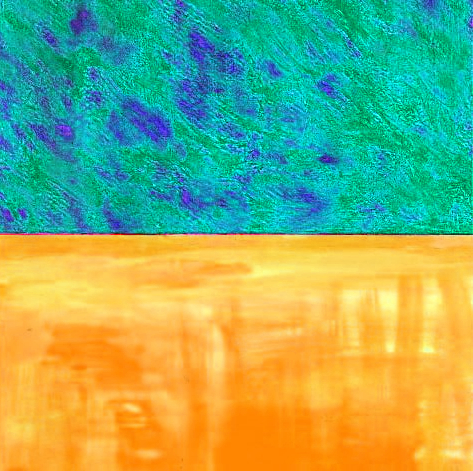
Exoplanet Gliese 433 , acrylic and gouache on paper, 9 in x 12 in, 2023 ( photographed + photoshop + reprinted giclee on paper, 18 in x 24 in, 27 in x 36 in, 36 in x 48 in, 45 in x 60 in, 54 in x 72 in, 63 in x 84 in, 72 in x 96 in , 2027)
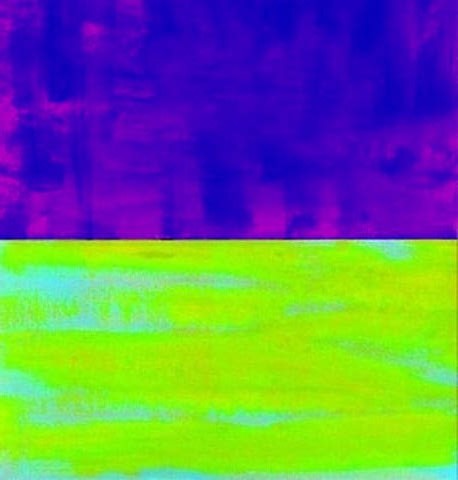
Exoplanet HAT-P-27 , acrylic and gouache on paper, 9 in x 12 in, 2023 ( photographed + photoshop + reprinted giclee on paper, 18 in x 24 in, 27 in x 36 in, 36 in x 48 in, 45 in x 60 in, 54 in x 72 in, 63 in x 84 in, 72 in x 96 in , 2027)
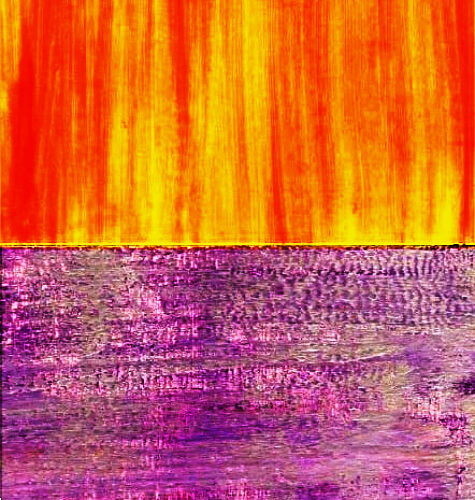
Exoplanet HD 137388 / Karaka , acrylic and gouache on paper, 9 in x 12 in, 2023 ( photographed + photoshop + reprinted giclee on paper, 18 in x 24 in, 27 in x 36 in, 36 in x 48 in, 45 in x 60 in, 54 in x 72 in, 63 in x 84 in, 72 in x 96 in , 2027)
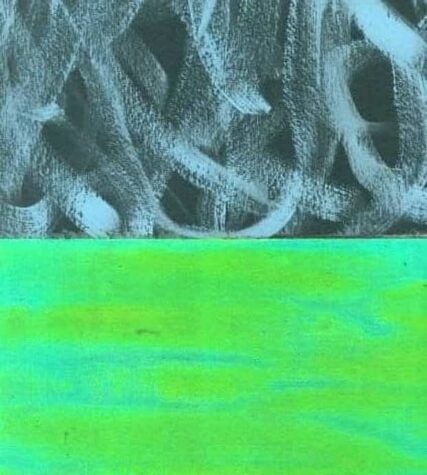
Exoplanet GJ 3470 b / Phailinsiam , acrylic and gouache on paper, 9 in x 12 in, 2023 ( photographed + photoshop + reprinted giclee on paper, 18 in x 24 in, 27 in x 36 in, 36 in x 48 in, 45 in x 60 in, 54 in x 72 in, 63 in x 84 in, 72 in x 96 in , 2027)
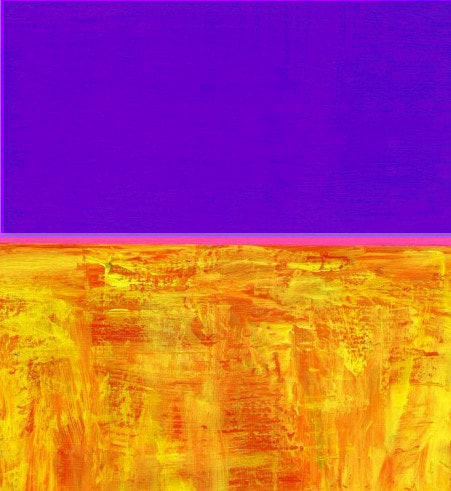
Exoplanet KELT-2Ab , acrylic and gouache on paper, 9 in x 12 in, 2023 ( photographed + photoshop + reprinted giclee on paper, 18 in x 24 in, 27 in x 36 in, 36 in x 48 in, 45 in x 60 in, 54 in x 72 in, 63 in x 84 in, 72 in x 96 in , 2027)
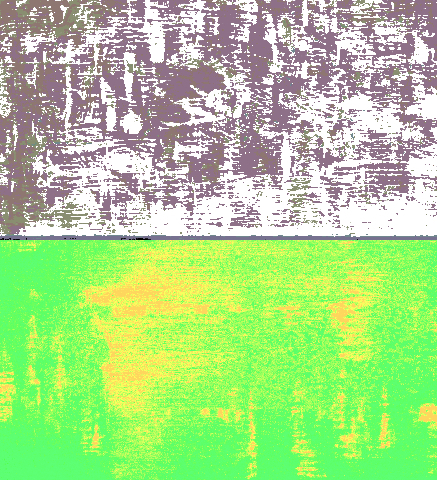
Exoplanet HD 40307 e , acrylic and gouache on paper, 9 in x 12 in, 2023 ( photographed + photoshop + reprinted giclee on paper, 18 in x 24 in, 27 in x 36 in, 36 in x 48 in, 45 in x 60 in, 54 in x 72 in, 63 in x 84 in, 72 in x 96 in , 2027)
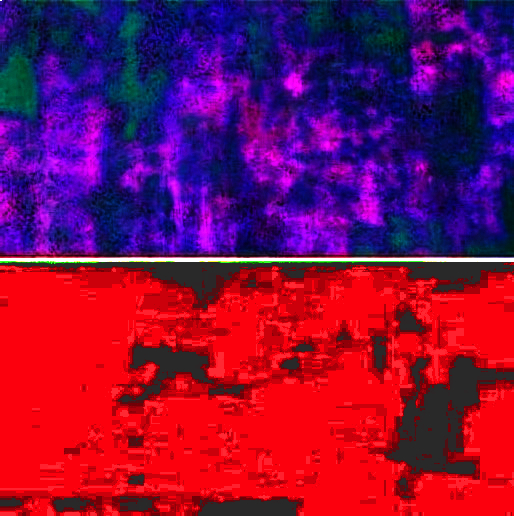
Exoplanet HAT-P-38b/Hiisi , acrylic and gouache on paper, 9 in x 12 in, 2023 ( photographed + photoshop + reprinted giclee on paper, 18 in x 24 in, 27 in x 36 in, 36 in x 48 in, 45 in x 60 in, 54 in x 72 in, 63 in x 84 in, 72 in x 96 in , 2027)
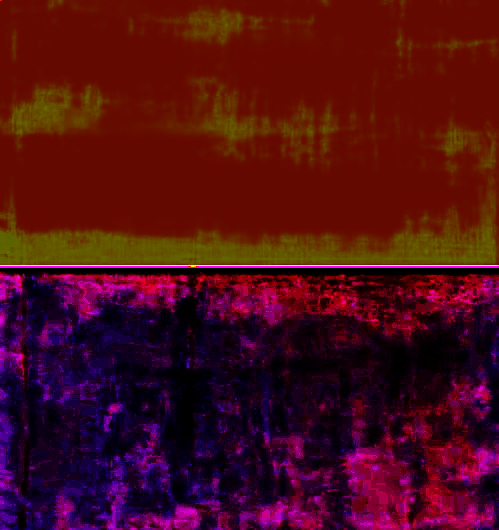
Exoplanet Gliese 163 c , acrylic and gouache on paper, 9 in x 12 in, 2023 ( photographed + photoshop + reprinted giclee on paper, 18 in x 24 in, 27 in x 36 in, 36 in x 48 in, 45 in x 60 in, 54 in x 72 in, 63 in x 84 in, 72 in x 96 in , 2027)
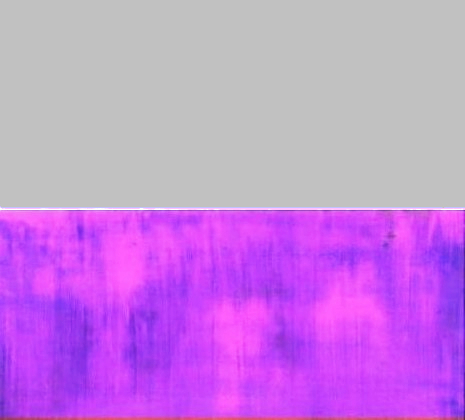
Exoplanet KELT-6b , acrylic and gouache on paper, 9 in x 12 in, 2023 ( photographed + photoshop + reprinted giclee on paper, 18 in x 24 in, 27 in x 36 in, 36 in x 48 in, 45 in x 60 in, 54 in x 72 in, 63 in x 84 in, 72 in x 96 in , 2027)
Exoplanet Kepler-37 , acrylic and gouache on paper, 9 in x 12 in, 2023 ( photographed + photoshop + reprinted giclee on paper, 18 in x 24 in, 27 in x 36 in, 36 in x 48 in, 45 in x 60 in, 54 in x 72 in, 63 in x 84 in, 72 in x 96 in , 2027)
Exoplanet Kepler-138 , acrylic and gouache on paper, 9 in x 12 in, 2023 ( photographed + photoshop + reprinted giclee on paper, 18 in x 24 in, 27 in x 36 in, 36 in x 48 in, 45 in x 60 in, 54 in x 72 in, 63 in x 84 in, 72 in x 96 in , 2027)
Exoplanet Gliese 163 , acrylic and gouache on paper, 9 in x 12 in, 2023 ( photographed + photoshop + reprinted giclee on paper, 18 in x 24 in, 27 in x 36 in, 36 in x 48 in, 45 in x 60 in, 54 in x 72 in, 63 in x 84 in, 72 in x 96 in , 2027)
Kepler-22b. acrylic and gouache on paper, 9 in x 12 in, 2023 ( photographed + photoshop + reprinted giclee on paper, 18 in x 24 in, 27 in x 36 in, 36 in x 48 in, 45 in x 60 in, 54 in x 72 in, 63 in x 84 in, 72 in x 96 in , 2027)
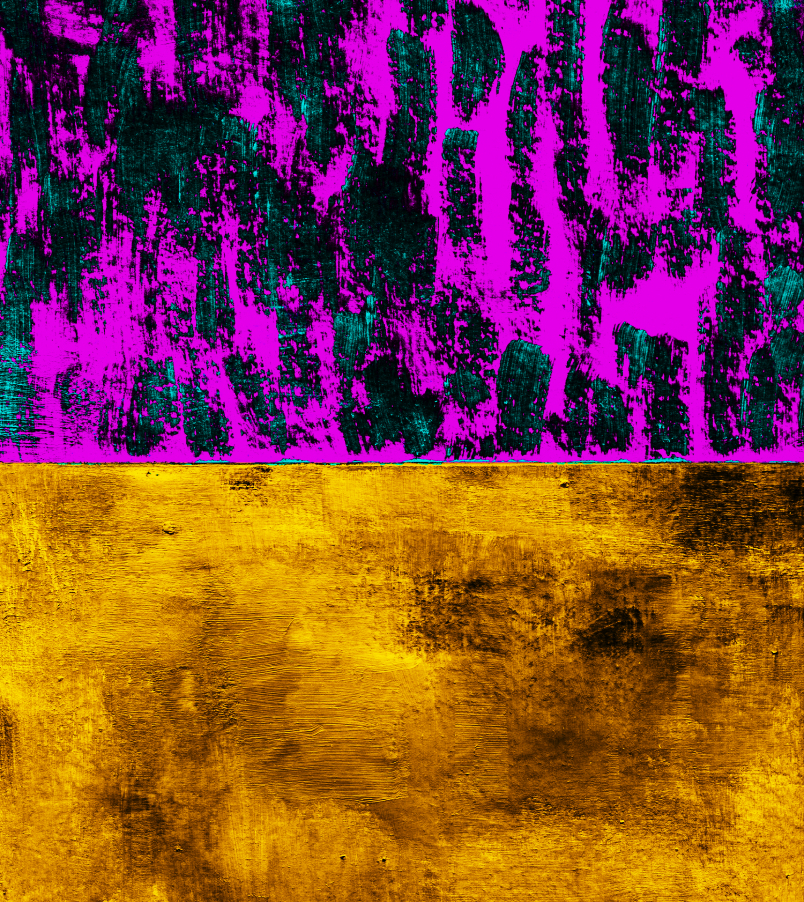
Kepler-442b, acrylic and gouache on paper, 9 in x 12 in, 2023 ( photographed + photoshop + reprinted giclee on paper, 18 in x 24 in, 27 in x 36 in, 36 in x 48 in, 45 in x 60 in, 54 in x 72 in, 63 in x 84 in, 72 in x 96 in , 2027)
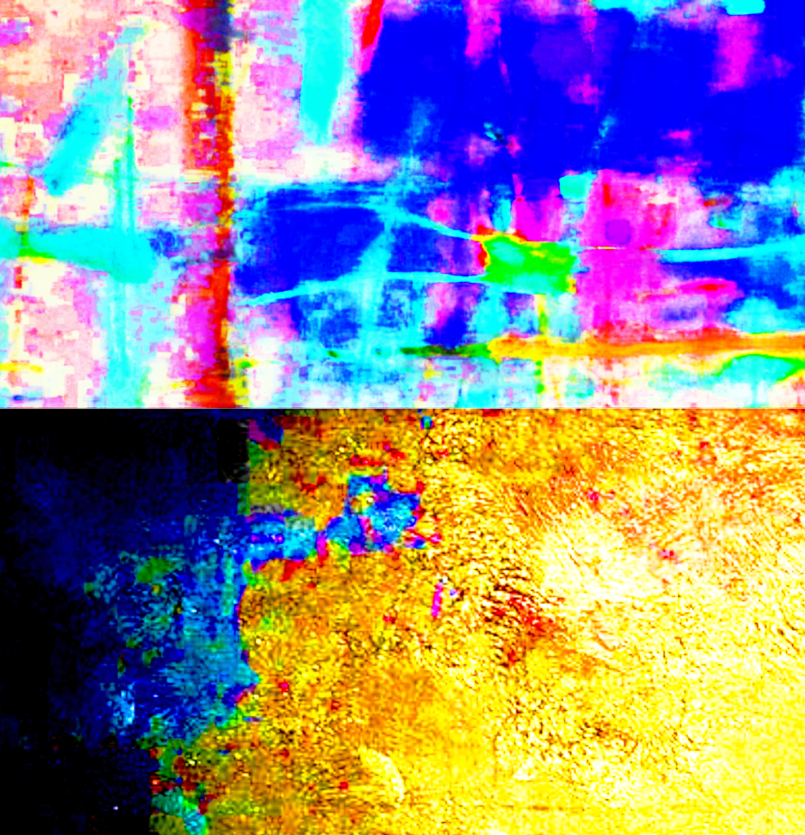
Kepler 1649c, acrylic and gouache on paper, 9 in x 12 in, 2023 ( photographed + photoshop + reprinted giclee on paper, 18 in x 24 in, 27 in x 36 in, 36 in x 48 in, 45 in x 60 in, 54 in x 72 in, 63 in x 84 in, 72 in x 96 in , 2027)
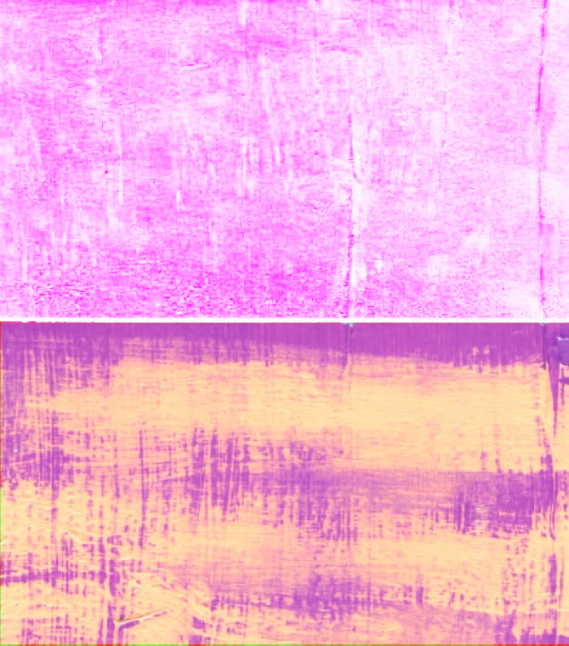
Proxima Centauri b, acrylic and gouache on paper, 9 in x 12 in, 2023 ( photographed + photoshop + reprinted giclee on paper, 18 in x 24 in, 27 in x 36 in, 36 in x 48 in, 45 in x 60 in, 54 in x 72 in, 63 in x 84 in, 72 in x 96 in , 2027)
When Galileo Galilei pointed his first telescope to the heavens in 1610, he discovered “congeries of innumerable stars” hidden in the band of light called the Milky Way. Our cosmos grew exponentially that day. Roughly three centuries later, the cosmic bounds exploded once again when astronomers built telescopes big enough to show the Milky Way is just one of many “island universes.” Soon they learned the universe was expanding, too, with galaxies retreating from each other at ever-accelerating speeds.Since then, ever-larger telescopes have shown the observable universe spans an incomprehensible 92 billion light-years across and contains perhaps 2 trillion galaxies. And yet, astronomers are still left wondering how much more universe is out there, beyond what they observe.
“The universe has always been slightly larger than what we can see,” says Virginia Trimble of the University of California, Irvine, an astronomer and expert in the field’s history.
Building bigger telescopes won’t help extend the cosmos anymore. “Telescopes only observe the observable. You can’t see back in time further than the age of the universe,” explains Nobel Prize-winning cosmologist John Mather of NASA’s Goddard Space Flight Center, who’s also chief scientist for the James Webb Space Telescope. “So we are totally limited. We’ve already seen as far as you could possibly imagine.” At the edge, we see the leftover glow from the Big Bang — the so-called cosmic microwave background radiation (CMB). But this isn’t some magical edge of the universe. Our cosmos keeps going. We just may never know how far.
Related: Where is the center of the universe?
In recent decades, cosmologists have tried to solve this mystery by first determining the universe’s shape, like the ancient Greek mathematician Eratosthenes calculating Earth’s size using simple trigonometry. In theory, our universe can have one of three possible shapes, each one dependent on the curvature of space itself: saddle shaped (negative curvature), spherical (positive curvature) or flat (no curvature).
Few have championed a saddle-shaped universe, but a spherical cosmos makes sense to us earthlings. Earth is round, as are the sun and planets. A spherical universe would let you sail into the cosmos in any direction and end up back where you started, like Ferdinand Magellan’s crew circumnavigating the globe. Einstein called this model a “finite yet unbounded universe.”
But starting in the late 1980s, a series of orbiting observatories built to study the CMB made increasingly precise measurements showing that space has no curvature at all. It’s flat to the limits of what astronomers can measure — if it is a sphere, it’s a sphere so huge that even our entire observable universe doesn’t register any curvature.
“The universe is flat like an [endless] sheet of paper,” says Mather. “According to this, you could continue infinitely far in any direction and the universe would be just the same, more or less.” You’d never come to an edge of this flat universe; you’d only find more and more galaxies.
That’s all well and good with most astronomers. A flat universe agrees with both observation and theory, so the idea now sits at the heart of modern cosmology.